Residential construction sites can be risky environments with multiple hazards. Implementing proper construction site safety measures protects workers, ensures legal compliance, and keeps projects on schedule. This guide covers essential strategies every contractor should follow.
Introduction to Construction Site Safety
Residential construction sites are dynamic environments where multiple teams, equipment, and materials operate simultaneously. These conditions increase the likelihood of accidents if safety is not prioritized. Construction site safety is critical for protecting workers, avoiding costly delays, and maintaining a professional reputation.
A safe construction site ensures workers return home unharmed, projects stay on schedule, and contractors maintain credibility. This guide explores key hazards, safety measures, and strategies to cultivate a safety-first culture on residential construction sites.
Why Construction Site Safety Matters
Accidents on construction sites can be costly. Injuries delay projects, increase insurance costs, and harm the company’s credibility. Regulatory compliance, such as OSHA standards, mandates specific safety practices. Adhering to these regulations protects both workers and the project.
Common Hazards on Residential Construction Sites
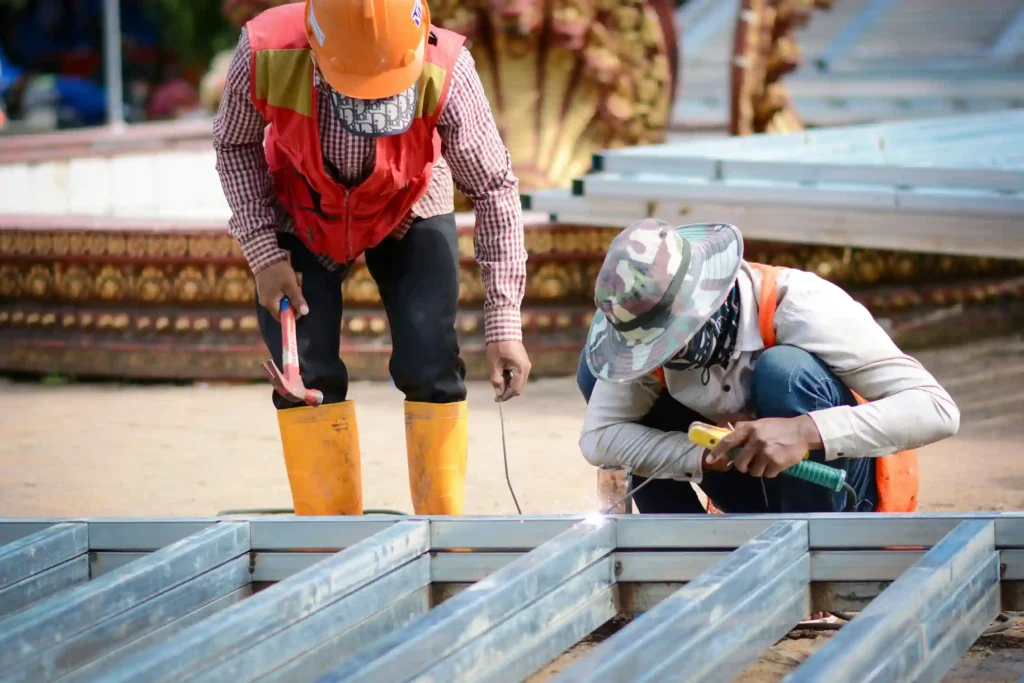
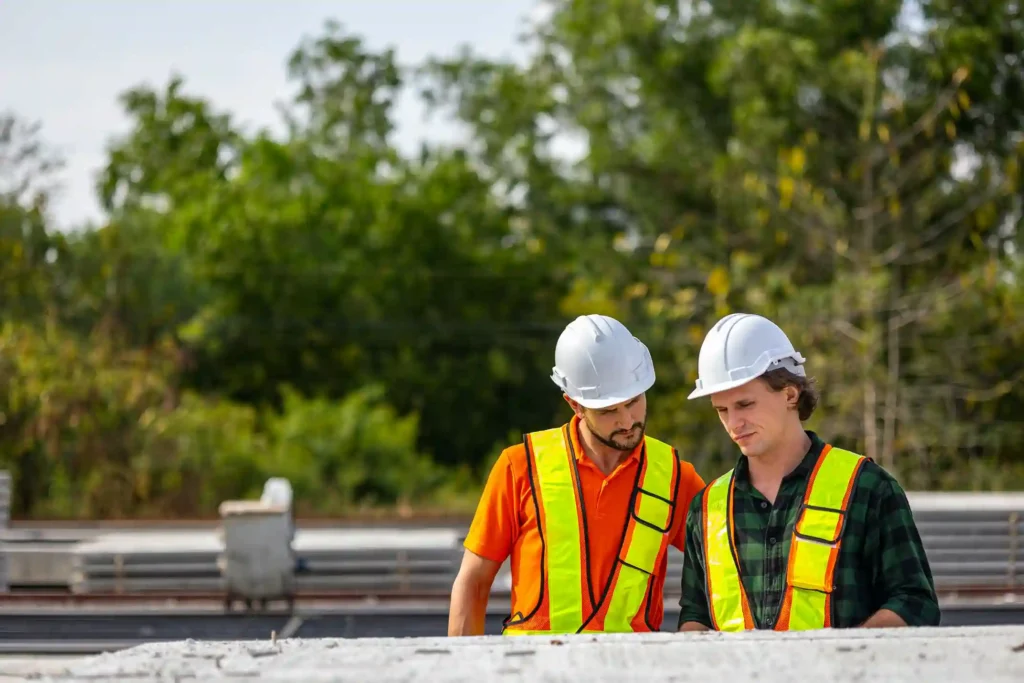
Residential construction sites present several hazards that can put workers at risk if proper construction site safety practices are not followed. Common dangers include slips, trips, and falls from scaffolding or ladders, falling objects from heights, electrical hazards from exposed wires, and accidents involving heavy machinery. Identifying these hazards and implementing effective construction site safety measures is essential to protect workers and maintain a safe working environment.
Slips, Trips, and Falls
Falls from scaffolding, ladders, or wet surfaces are common on residential construction sites. Simple precautions such as proper scaffolding, non-slip footwear, and clear walkways can prevent most accidents.
Falling Objects
Materials, tools, and debris can fall from heights, creating serious risks for workers below. Proper storage, barriers, and personal protective equipment reduce the likelihood of injuries.
Electrical Hazards
Exposed wiring or overloaded circuits can cause shocks or fires. Only certified electricians should handle electrical installations, and regular inspections are essential to maintain safety.
Machinery Accidents
Heavy machinery such as cranes and forklifts pose risks if operators are untrained or safety zones are ignored. Establishing safety protocols, providing adequate training, and supervising equipment use help prevent accidents.
Key Safety Measures for Residential Construction
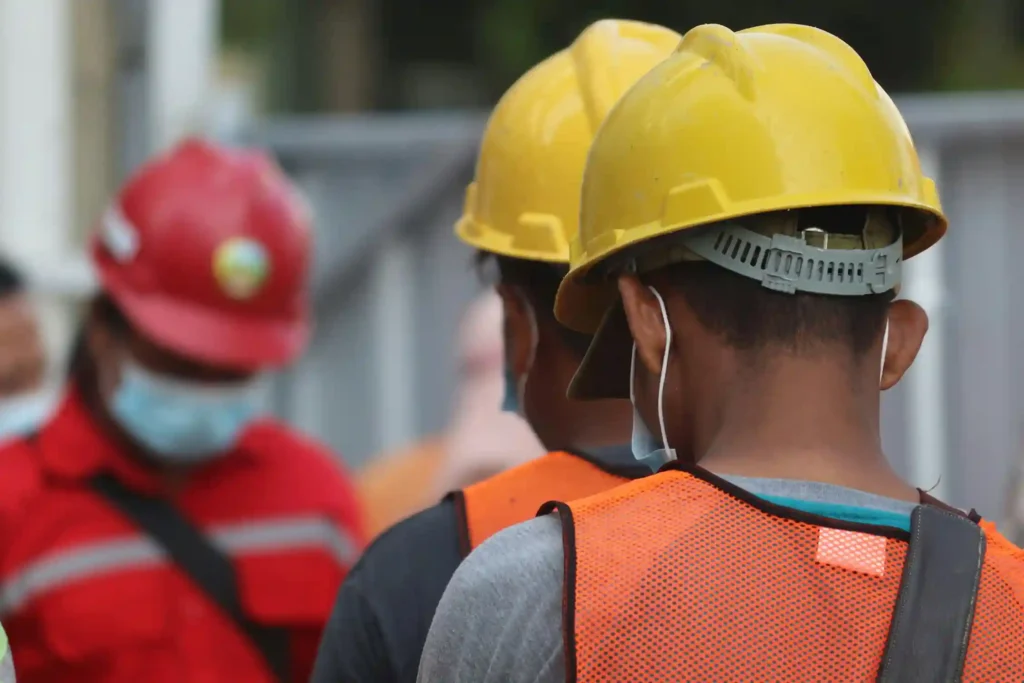
Residential construction sites require strict adherence to safety protocols to protect workers and ensure smooth project execution. Key measures include providing proper personal protective equipment, conducting daily site inspections, maintaining clear signage and barricades, preparing for emergencies, and offering ongoing safety training programs. Implementing these practices not only reduces accidents but also fosters a culture of responsibility and professionalism among the construction team.
Personal Protective Equipment (PPE)
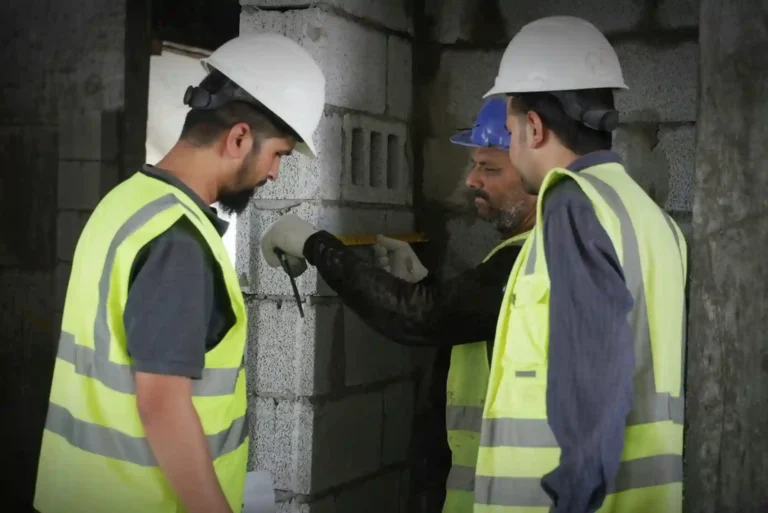
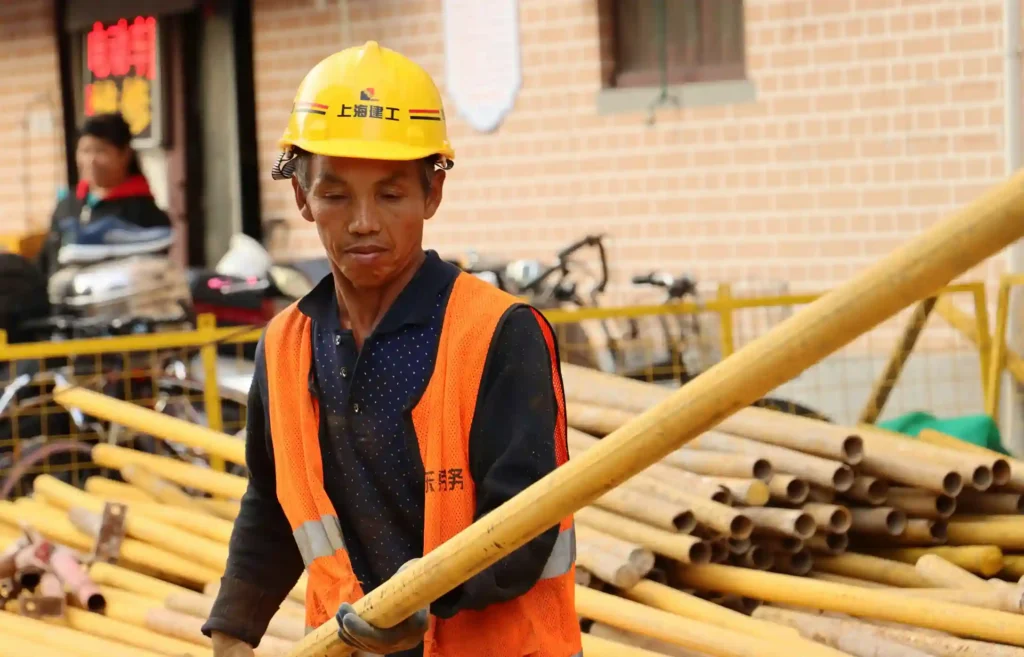
Providing PPE is the first step in ensuring effective construction site safety and preventing injuries. Helmets, gloves, steel-toed boots, safety glasses, and reflective vests are essential for protecting workers. Each piece serves a specific purpose: helmets safeguard heads, gloves prevent cuts, and boots protect against heavy objects.
Site Inspections
Daily inspections identify hazards before work begins. Checking scaffolding, ladders, and machinery ensures the site is safe for operations.
Emergency Preparedness
Keep first aid kits, fire extinguishers, and emergency contacts accessible. Train workers in emergency procedures and evacuation protocols to prepare them for any incidents.
Clear Signage and Barricades
Mark hazardous areas and restrict access to authorized personnel only. Signage increases awareness and prevents accidents by alerting workers to risks.
Safety Training Programs
Regular workshops on hazard recognition, proper equipment use, and reporting unsafe conditions reinforce a safety-first culture. Engaging workers in these programs ensures everyone understands their role in maintaining site safety.
Promoting a Safety-First Culture
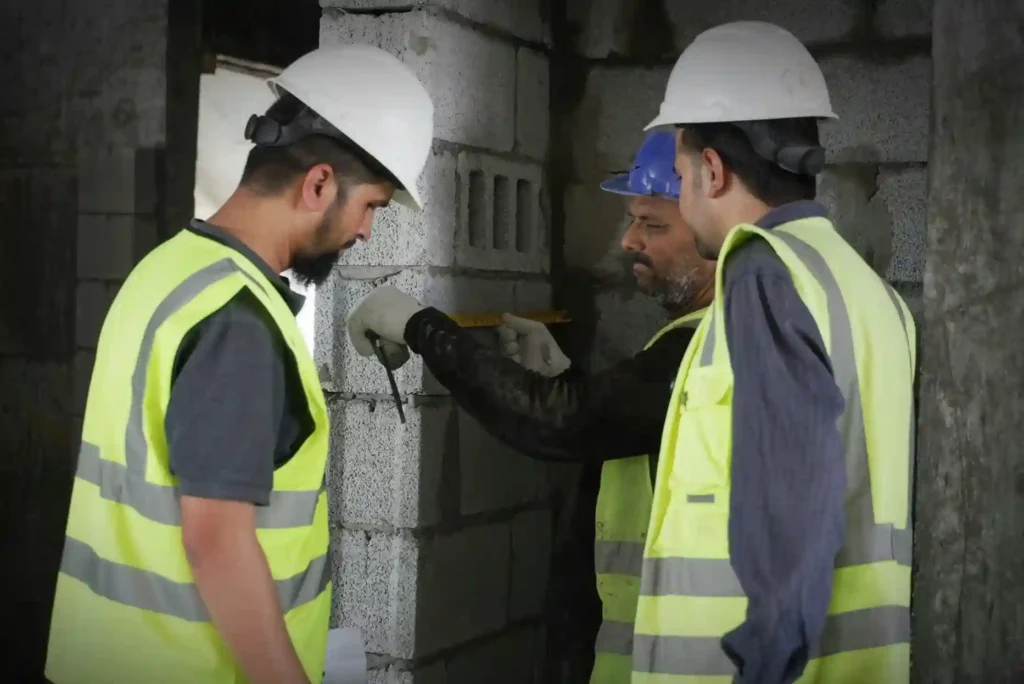
Creating a safety-first culture requires consistent communication and reinforcement. Encourage workers to report unsafe practices without fear of penalty. Conduct monthly meetings to review incidents, discuss improvements, and reward teams that follow protocols.
Safety should be integrated into all project phases, from planning to execution. Making safety a shared responsibility reduces accidents, increases productivity, and fosters a motivated workforce.
Conclusion
Prioritizing construction site safety protects workers, ensures legal compliance, and promotes overall project efficiency. Residential construction projects carry unique risks, including falls, electrical hazards, falling objects, and heavy machinery accidents. By implementing essential safety measures such as providing PPE, conducting daily site inspections, maintaining emergency preparedness, placing clear signage, and offering ongoing training, contractors can significantly reduce the likelihood of accidents and injuries. For detailed guidelines, visit the official OSHA construction safety standards.
A safe construction site not only protects the workforce but also enhances trust between contractors, clients, and stakeholders. Projects run more smoothly, deadlines are met, and overall productivity increases. Investing time and resources in construction site safety is not just a legal requirement—it is an investment in long-term success, reputation, and the well-being of everyone on site.
Need Expert Construction Services?
CityGCon specializes in residential and commercial construction projects with strict adherence to safety standards. Contact us today to ensure your next project is safe, efficient, and successful. Learn more about us if you want!